

Understanding Commodity Trading Fundamentals
Commodity CFD trading in Europe involves buying and selling raw materials like crude oil, natural gas, gold, silver, agricultural products, and even carbon emissions on global markets. European traders can access these markets nearly around the clock, benefiting from high liquidity and transparent pricing. Prices are influenced by factors such as supply and demand, geopolitical events, weather, and economic trends, creating opportunities for both profit and portfolio diversification.
Trading commodities via regulated EU brokers offers strong investor protection, as all activity is overseen by robust European financial regulations. For EU investors, commodity CFD trading is a way to participate in global economic movements while enjoying the security and standards of the European market.
Types of Commodities Available for Trading with iForex Europe
Energy Commodities
Crude Oil (Brent & WTI) represents the most actively traded energy commodities in global markets. Brent crude oil, primarily from the North Sea, and West Texas Intermediate (WTI), sourced from the United States, serve as benchmark prices for oil worldwide. These commodities are typically traded in contracts of 1,000 barrels for Brent and 100 barrels for WTI when using CFDs.
Natural Gas trading offers exposure to one of the world's most important energy sources, with prices influenced by seasonal demand, weather patterns, and global energy policies. Natural gas CFDs are commonly structured with contract sizes of 100 MMBTU (Million British Thermal Units).
Precious Metals
Gold and Silver serve as traditional safe-haven assets that often retain value during economic uncertainty and inflation periods. Gold is typically traded in troy ounces with CFD contracts representing 100 troy ounces, while silver follows a similar structure with different contract specifications. These precious metals provide portfolio diversification benefits and are particularly popular among European investors during times of economic volatility.
Agricultural Commodities
Agricultural commodities encompass a wide range of products, including wheat, corn, coffee, cocoa, sugar, and cotton. These markets are heavily influenced by seasonal cycles, weather conditions, and global food demand patterns. Agricultural commodity CFDs allow traders to speculate on price movements without the complexities of physical delivery or storage.
Carbon Emissions
Carbon emissions allowances have become increasingly important in the European market, representing tradeable permits that allow companies to emit specific amounts of carbon dioxide. Under MiFID II regulations, emissions allowances and their derivatives are now included as financial instruments, reflecting the EU's commitment to environmental sustainability.
Understanding CFD Trading for Commodities
What are Commodity CFDs?
Contracts for Difference (CFDs) are financial derivatives that allow traders to speculate on commodity price movements without owning the underlying physical assets. When trading commodity CFDs, investors exchange the difference between the opening and closing prices of a contract, enabling profit from both rising and falling markets. This approach eliminates the need for physical storage, delivery, or large capital requirements associated with traditional commodity trading.
Benefits of CFD Trading
CFD trading offers several advantages for European commodity traders.
- Leverage enables traders to control larger positions with relatively small initial investments, though this also magnifies potential losses.
- Diversification benefits arise as commodities trading often exhibits low correlation with traditional financial assets like stocks and bonds.
- Market Access through CFDs provides exposure to global commodity markets with flexible position sizes and electronic trading capabilities.
How CFD Trading with Commodities Works
Commodity CFDs mirror the price movements of underlying assets, typically based on futures contracts. Traders can take long positions when expecting price increases or short positions when anticipating price declines. Each CFD contract has a specific value per point movement - for example, Brent crude oil CFDs typically have a value of $10 per full point movement.
What’s Next for European Equities Trading?
The future of trading European equities is being shaped by rapid innovation and evolving investor priorities. As technology continues to transform financial markets, tools like algorithmic trading, high-frequency strategies, and automated systems are becoming the norm—enabling faster execution, greater precision, and increased efficiency.
Ongoing efforts to unify European financial markets are also expected to unlock new trading potential. A more integrated equity derivatives market would not only boost liquidity but also enhance price transparency—key benefits for CFD traders looking to stay ahead of market moves.
Another major trend is the shift toward sustainable investing. ESG (Environmental, Social, and Governance) criteria are now front and center for many investors. Companies that meet these standards may see increased interest, making ESG-focused equities an emerging area of opportunity for CFD trading.
European Regulatory Framework and Investor Protection
MiFID II and Commodity Trading
The Markets in Financial Instruments Directive II (MiFID II) significantly expanded the scope of regulated commodity derivatives within the European Union. Under these regulations, mandatory position limits and reporting requirements apply to firms dealing in commodity derivatives, with enhanced oversight by the European Securities and Markets Authority (ESMA). These measures ensure greater transparency and protection for retail investors throughout Europe.
ESMA Product Intervention Measures
ESMA has implemented comprehensive product intervention measures for CFD trading to protect retail investors. These include leverage limits, negative balance protection, and standardized risk warnings that must be displayed prominently on all marketing materials. European CFD providers must strictly comply with these requirements and cannot circumvent them through professional client status inducements.
Enhanced Investor Protection
The EU's Retail Investment Strategy, proposed in 2023, aims to strengthen protection frameworks for retail investors across all member states. New rules simplify information presentation while requiring appropriate risk warnings for particularly risky products, ensuring European investors can make informed decisions about commodity CFD trading.
Why Trade CFD Commodities with iForex in Europe?
Unmatched Security and Regulation
When you trade CFD commodities with iForex Europe, you benefit from one of the most secure and strictly regulated environments in Europe. As a fully licensed EU broker and 25 years in the market, iForex Europe adheres to all European financial regulations, including maintaining segregated client accounts, providing negative balance protection, and meeting rigorous capital requirements, ensuring your funds are always safeguarded.
Transparent Trading and Fair Practices
iForex Europe is committed to transparency and fairness. We offer clear, standardized pricing, competitive spreads, and full risk disclosures, so you always know exactly what you’re trading and at what cost. Our platform is designed to ensure that every client receives fair treatment and access to real-time market information.
Investor Protection and Peace of Mind
Our dedication to client safety, regulatory compliance, and customer support makes iForex Europe a trusted choice for commodity CFD trading across Europe.
Getting Started with Commodity CFD Trading at iForexEurope
Beginning your commodity CFD trading journey with iForex Europe is designed to be straightforward and accessible, whether you're a complete beginner or an experienced trader. We understand that success in the commodities market requires proper preparation, which is why we've created a comprehensive support system to help you every step of the way.
- Personalized Training: Access one-on-one private training sessions with experienced trading agents who provide tailored guidance in multiple languages, and training on the use of the platform and relevant trading tools.
- Risk-Free Practice: Start with a $5,000 demo account to practice your strategies and get comfortable with our platform before investing real money
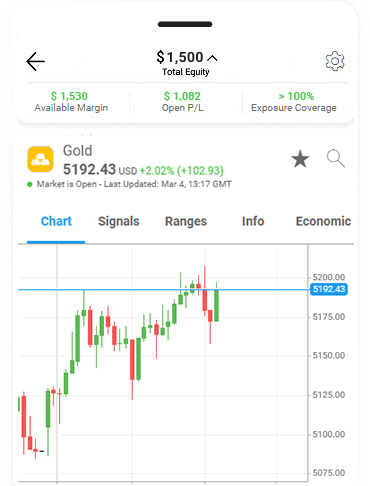
- Real-Time Market Access: Monitor live commodity prices and access advanced charting tools, technical indicators, and daily market analysis to make informed trading decisions
- Comprehensive Resources: Benefit from our extensive education center featuring guides, tutorials, video lessons, and access to our Trading Expert channel with daily commentary and market insights
- Round-the-Clock Support: Enjoy 24/5 customer support from our dedicated team, available through multiple channels to assist you whenever you need help
With iForex Europe, you gain access to over 750 CFD instruments, including all major commodities, along with the security of trading with a fully regulated European broker that prioritizes your safe trading.
Register and start your 1:1 training now!
Risk Management Strategies
Successful commodity trading requires disciplined risk management, including the use of stop-loss orders, position sizing, and portfolio diversification. iForex Europe provides you with all the analysis, insights, and risk management tools you need to trade commodities confidently and responsibly. With iForex Europe, you have the support and information required to protect your investments and navigate the commodities market with confidence.
Why Trade CFDs in European Markets?
CFD trading offers a dynamic way to access European financial markets without owning the underlying assets. With Contracts for Difference (CFDs), you can speculate on price movements in a wide range of instruments—such as stocks, indices, commodities, currencies, and more.
CFDs are popular among experienced traders for their flexibility, access to leverage, and the ability to trade both rising and falling markets. However, these benefits also come with risks that must be clearly understood before trading.
The Benefits of CFD Trading in Europe
- Wide Market Access: Trade top European shares and indices from a single platform.
- Leverage Opportunities: Amplify potential gains with leveraged positions (note: losses can also be magnified).
- Two-Way Trading: Open long or short positions based on market direction.
- No Ownership Required: Invest in the price movement without purchasing the actual asset.
- 24/5 Market Access: Stay connected to global markets nearly around the clock.
Key Risks to Consider
While CFDs offer flexibility, they are also complex and carry a high risk of loss:
- Leverage Risk: Small market shifts can lead to significant gains—or steep losses.
- Volatility: European markets can move quickly; sharp price swings can trigger margin calls.
- Margin Requirements: Failing to maintain margin may result in automatic position closures.
- Costs and Fees: Spreads and commissions can impact profitability, especially with short-term trades.
- Complexity: CFDs are not suitable for all investors. Understanding the mechanics is essential.
Trade Smart, Trade Informed
Before entering the CFD market, assess your experience level, financial situation, and risk appetite. Never trade with funds you can't afford to lose. Ongoing education, a clear trading plan, and access to reliable tools and insights can make a meaningful difference.
CFD trading in European markets can be a powerful tool—when used responsibly.
Final Thoughts
From energy and pharmaceuticals to consumer goods and financial services, Europe's diverse markets present a wide range of trading opportunities. CFDs allow you to engage with these sectors dynamically—but they are not without risk.
Success in CFD trading hinges on a solid understanding of market behavior, disciplined risk management, and informed decision-making. By combining real-time data with a strategic mindset, you can navigate the European markets more confidently and make decisions aligned with your trading goals.
FAQs
What are the most important aspects when trading commodities with CFDs?
Risks include high volatility, leverage amplification of losses, and potential margin calls if markets move against positions. Market factors such as geopolitical events, weather conditions, and supply disruptions can cause rapid price movements that may result in substantial losses.
How Much Capital Do I Need to Start Commodity Trading with iForex Europe?
You can start trading commodities with iForexEurope with a minimum deposit of just $100. This low entry point lets you access a wide range of commodity CFDs and choose flexible deal sizes to match your risk level. Always ensure you have enough funds to manage your trades and cover margin requirements, especially when using leverage.
Are commodity CFDs regulated differently across EU countries?
While MiFID II provides harmonized rules across the European Union, individual member states may implement additional national measures for investor protection. ESMA coordinates regulatory oversight to ensure consistent application of rules, though some variations in implementation may exist between countries.
Disclaimer: CFDs are complex instruments and come with a high risk of losing money rapidly due to leverage. 81.33% of retail investor accounts lose money when trading CFDs with this provider.
You should consider whether you understand how CFDs work and whether you can afford to take the high risk of losing your money. Read More